A Podcast About Technology, Media, AI, and the Internet
Network Issues is a podcast about the systems shaping our digital lives—and what those systems are doing to our culture, careers, relationships, politics, and sense of reality.
Hosted by media scholar Jamie Cohen and marketing strategist Destinee Day, the show brings academic insight and real-world industry experience to the internet’s most urgent questions. Each episode explores how artificial intelligence, social media algorithms, online communities, digital advertising, influencer culture, misinformation, surveillance, and emerging technologies are changing the way we communicate and make decisions.
Network Issues goes beyond headlines and surface-level technology news. Jamie and Destinee examine the power structures, business models, cultural forces, and human behaviors behind the platforms we use every day. Their conversations make complex topics accessible without oversimplifying them—helping listeners better understand how the internet works, who benefits from it, and how to navigate it with greater agency.
Whether you work in media, marketing, education, technology, or simply want to understand the forces shaping life online, Network Issues offers thoughtful, candid conversations about the internet as it exists today—and where it may be taking us next.
Watch, listen, and explore every episode of Network Issues below.
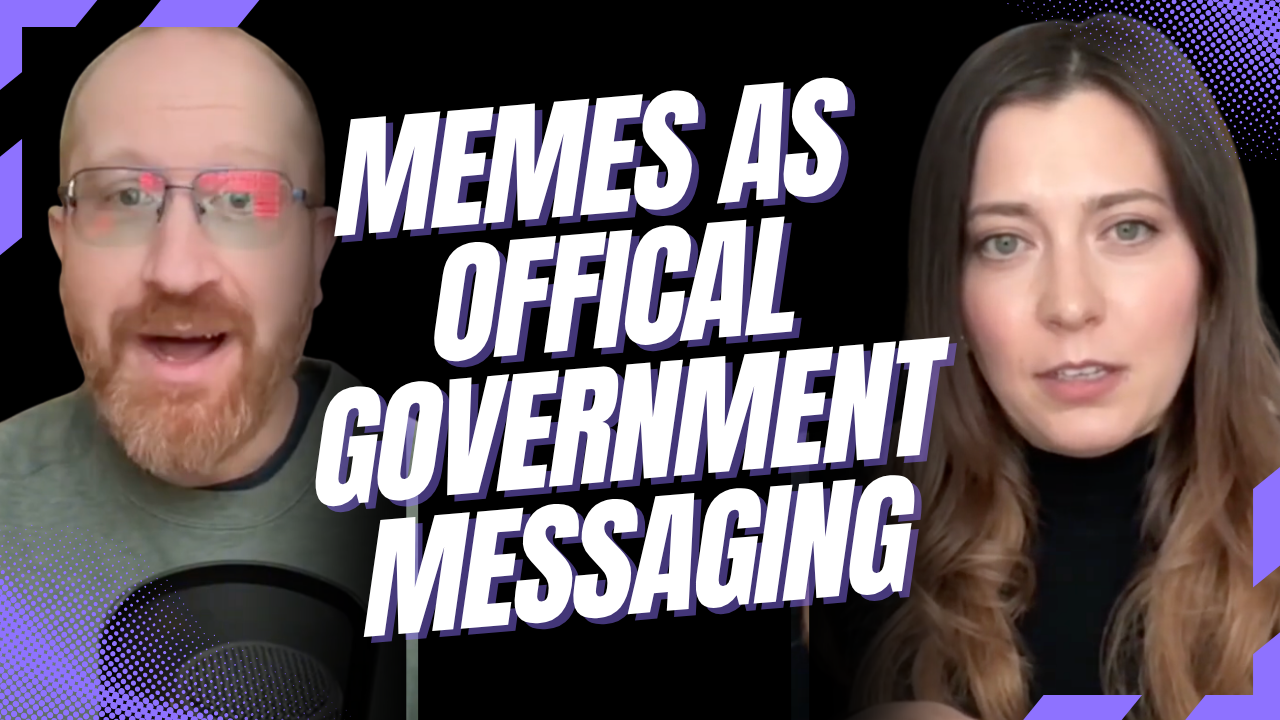
Why Is the White House Posting AI Memes?
After Jamie Cohen appeared on RTL Nieuws to discuss the White House’s AI-generated social posts, he and Destinee Day examine what happens when an official government account communicates like a meme page. Is it humor, propaganda, rage bait, distraction—or all four?
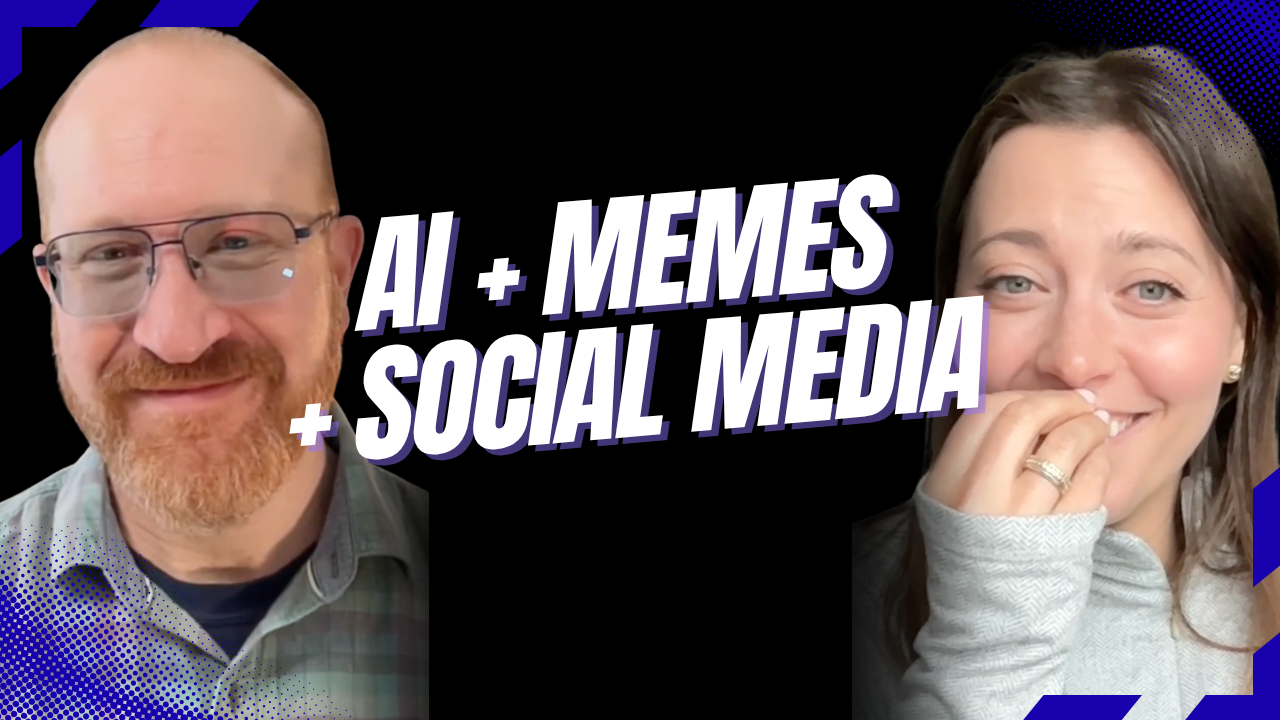
Social Media Addiction Lawsuits and AI Propaganda
Landmark jury verdicts held Meta and YouTube responsible for harms linked to addictive platform design. At the same time, OpenAI discontinued Sora’s consumer platform and pro-Iran groups used AI-generated animations to wage a new kind of meme war. Jamie Cohen and Destinee Day examine what connects these developments—and why regulation without media literacy may not be enough.