A Podcast About Technology, Media, AI, and the Internet
Network Issues is a podcast about the systems shaping our digital lives—and what those systems are doing to our culture, careers, relationships, politics, and sense of reality.
Hosted by media scholar Jamie Cohen and marketing strategist Destinee Day, the show brings academic insight and real-world industry experience to the internet’s most urgent questions. Each episode explores how artificial intelligence, social media algorithms, online communities, digital advertising, influencer culture, misinformation, surveillance, and emerging technologies are changing the way we communicate and make decisions.
Network Issues goes beyond headlines and surface-level technology news. Jamie and Destinee examine the power structures, business models, cultural forces, and human behaviors behind the platforms we use every day. Their conversations make complex topics accessible without oversimplifying them—helping listeners better understand how the internet works, who benefits from it, and how to navigate it with greater agency.
Whether you work in media, marketing, education, technology, or simply want to understand the forces shaping life online, Network Issues offers thoughtful, candid conversations about the internet as it exists today—and where it may be taking us next.
Watch, listen, and explore every episode of Network Issues below.
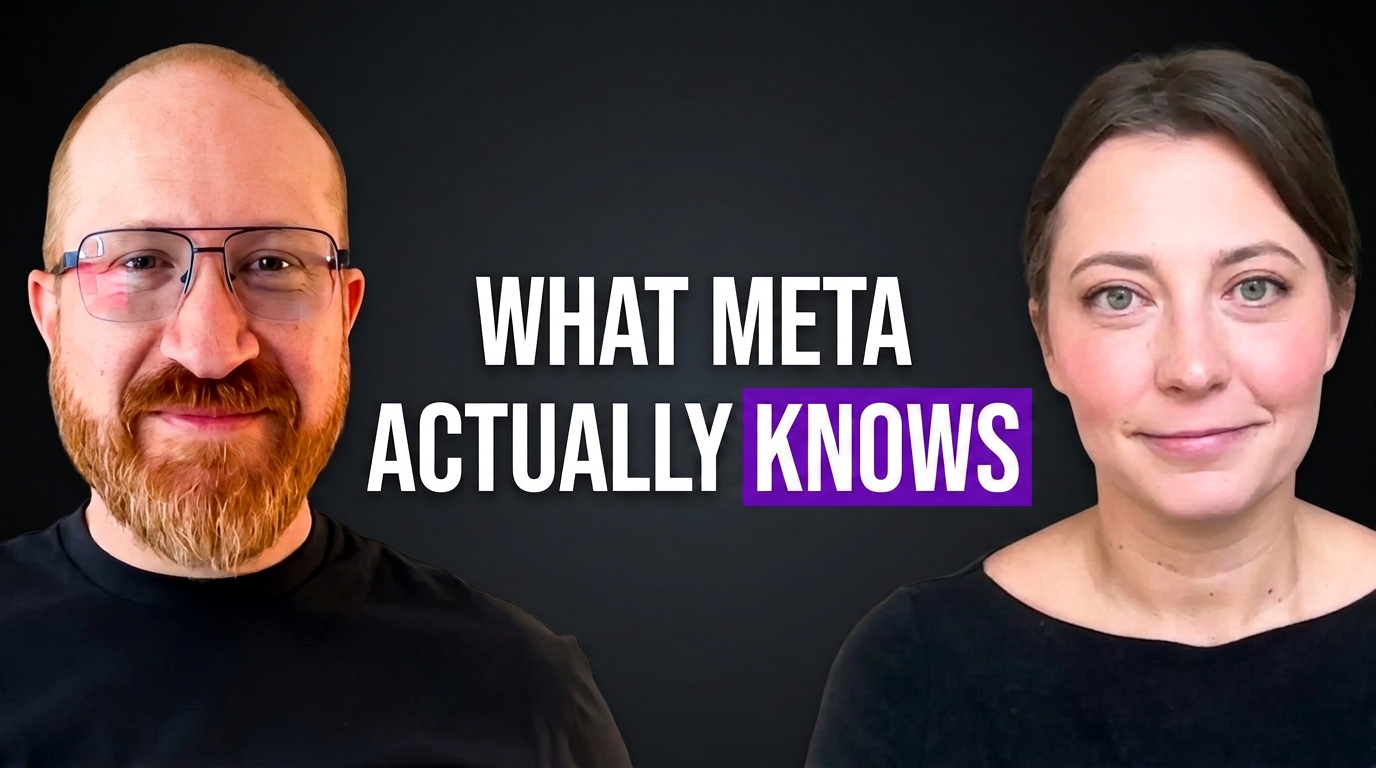
Just Her and Meta: What Kylie Jenner's Ray-Bans Reveal About Frictionless Surveillance
Jamie Cohen and Destinee Day open Meta's own ad manager to show what Kylie Jenner's Ray-Ban glasses actually extract, and why frictionless removes people first.
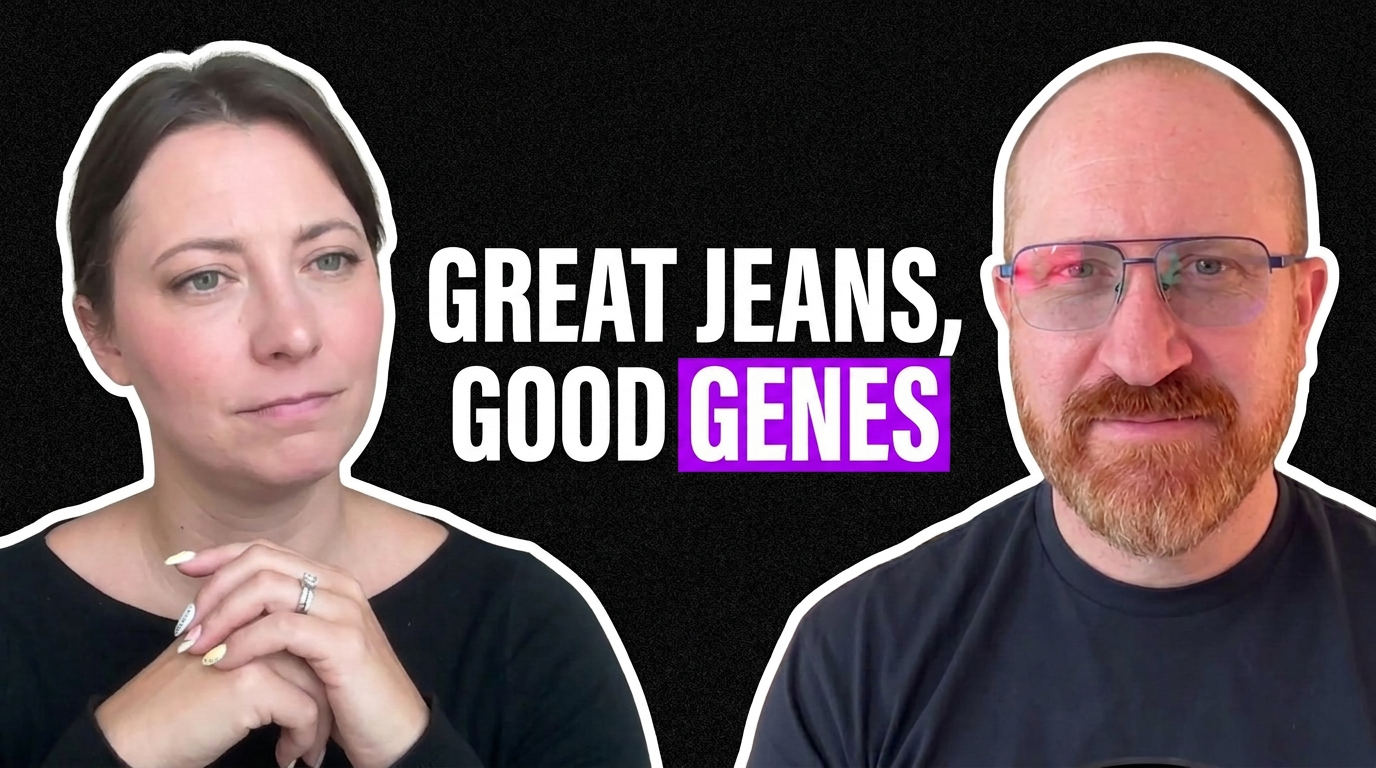
Inside the Sydney Sweeney Ad: What "Great Jeans" Reveals About Frictionless Media
Jamie Cohen and Destinee Day trace the American Eagle "great jeans" ad back to Brooke Shields, racehorse theory, and the birth of motion pictures.
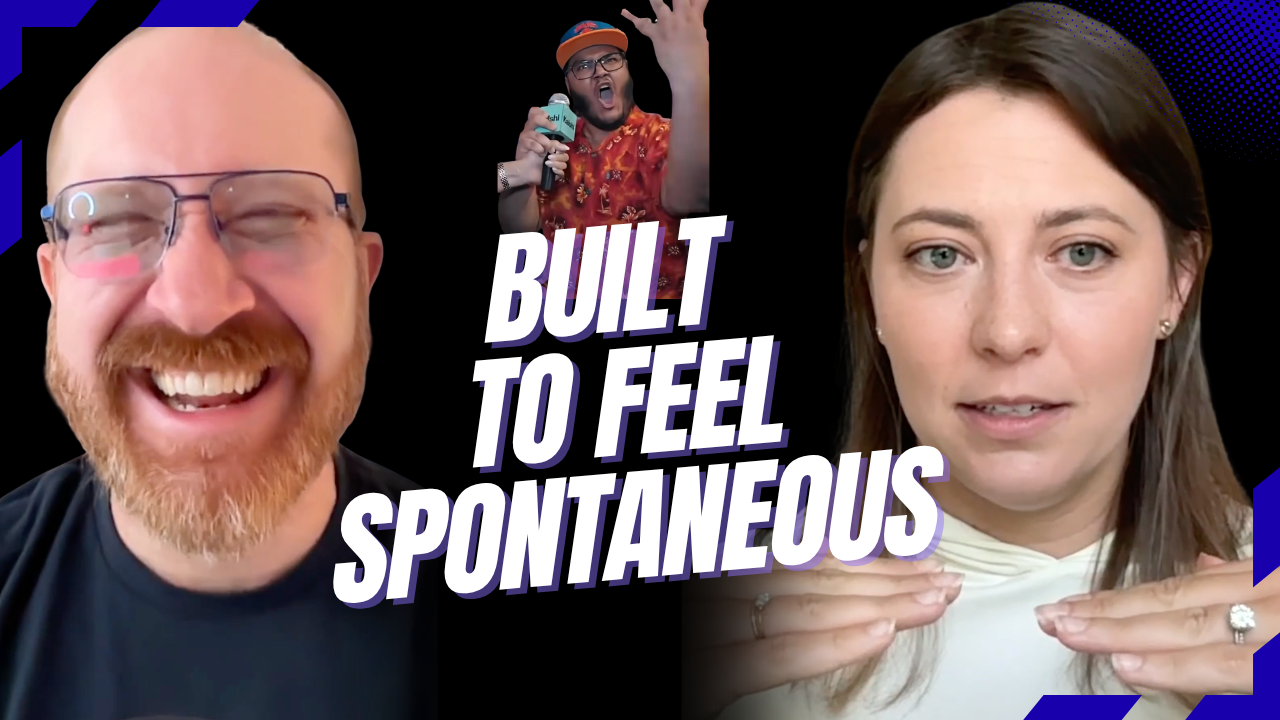
What Are Frictionless Architectures and Why Nothing Feels Staged Anymore
Jamie Cohen spent the last two and a half weeks at the Salzburg Academy on Media and Global Change, living on the grounds of the actual palace from The Sound of Music with 50 students from 25 countries. He came back with a keynote talk and a new term he's been building toward for a decade: frictionless architectures.
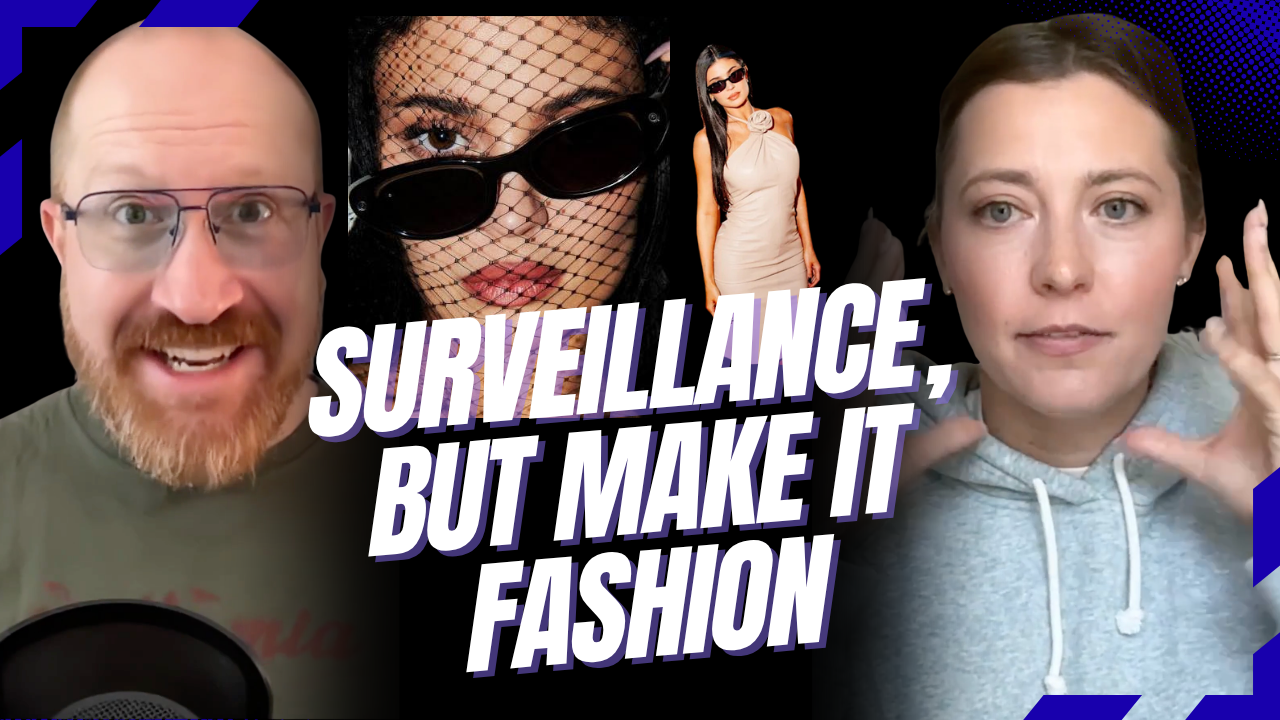
Why Meta Chose Kylie Jenner to Sell AI Smart Glasses
Meta partnered with Kylie Jenner to turn its latest AI glasses into a fashion product. Jamie Cohen and Destinee Day examine why she is the ideal spokesperson, how smart glasses change recording and POV content, and what wearable cameras mean for privacy, classrooms, accessibility, and public consent.
Why Is the White House Posting AI Memes?
After Jamie Cohen appeared on RTL Nieuws to discuss the White House’s AI-generated social posts, he and Destinee Day examine what happens when an official government account communicates like a meme page. Is it humor, propaganda, rage bait, distraction—or all four?
Why Internet Culture Is No Longer a Side Story
A newly disclosed encounter involving Jeffrey Epstein and 4chan founder Christopher Poole forces Jamie Cohen to reconsider 15 years of internet-culture research. He and Destinee Day examine why internet studies matter, how digital activism shapes politics, and what students and professionals need to understand about personal brands, comments, employment, and online identity.

How Student-Athletes Can Build—and Protect—an NIL Brand
NIL allows student-athletes to earn money from their names, images, voices, appearances, and audiences. Jamie Cohen and Destinee Day explain how athletes can build recognizable brands, evaluate sponsorships, protect their digital identities, prepare for media attention, and avoid legal and reputational pitfalls.
Can Social Media Companies Be Liable for Addictive Design?
A landmark jury verdict found Meta and YouTube responsible for harms linked to compulsive social-media use. Jamie Cohen and Destinee Day examine infinite scroll, autoplay, internet fame, creator-economy incentives, Section 230, youth privacy, and whether platforms, brands, or creators should bear responsibility.
What Louis Theroux’s Inside the Manosphere Gets Right—and Leaves Out
Louis Theroux enters the world of red-pill influencers, hypermasculine performers, and online misogyny. Jamie Cohen and Destinee Day examine what the documentary reveals about the manosphere—and what it leaves audiences to figure out for themselves.
Social Media Addiction Lawsuits and AI Propaganda
Landmark jury verdicts held Meta and YouTube responsible for harms linked to addictive platform design. At the same time, OpenAI discontinued Sora’s consumer platform and pro-Iran groups used AI-generated animations to wage a new kind of meme war. Jamie Cohen and Destinee Day examine what connects these developments—and why regulation without media literacy may not be enough.
Why Social Media Feels Like One Endless Advertisement
Destinee Day takes a two-week break from social media and discovers that much of what felt like entertainment was actually advertising. She and Jamie Cohen examine influencer marketing, AI slop, personalized recommendations, product placement, and why paid ad-free entertainment is losing attention to the commercial feed in our hands.
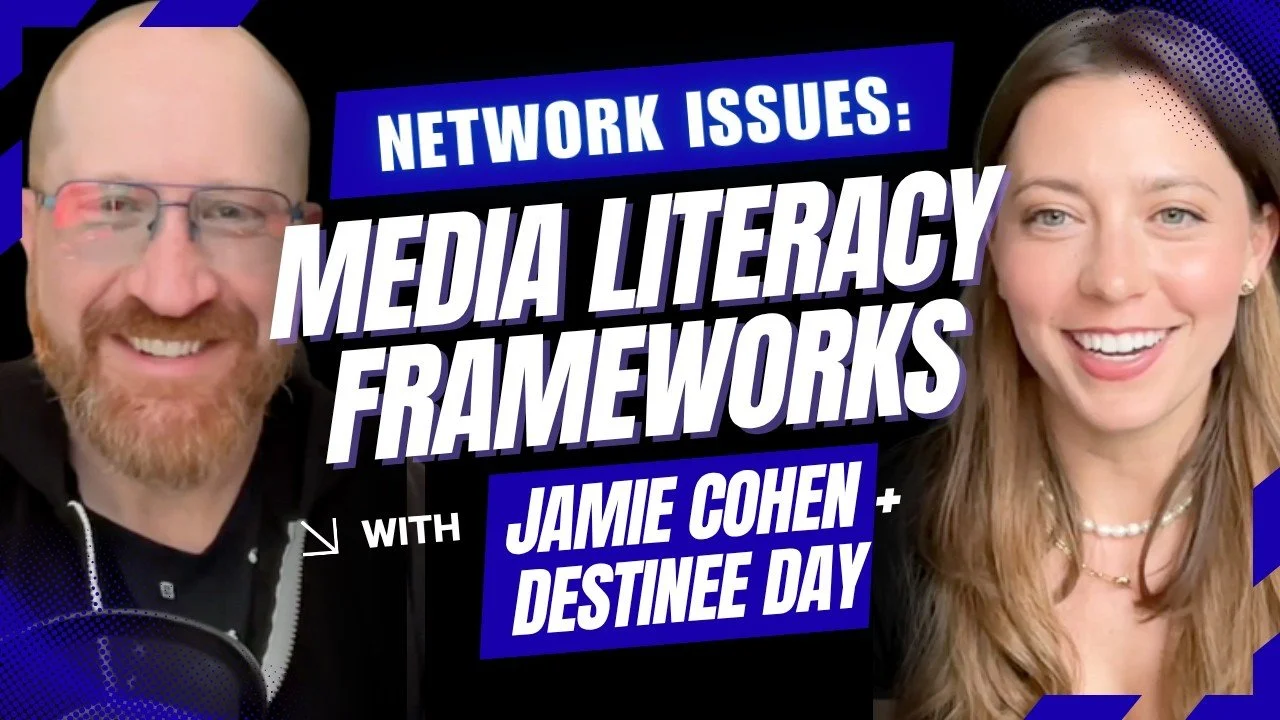
How to Practice Media Literacy in the Age of Algorithms and AI
Traditional media literacy taught people to examine the author, source, ownership, and message. Today, audiences must also understand algorithms, clipping, context collapse, memes, synthetic media, and the business models determining what appears in their feeds.

What Is Looksmaxxing—and Why Is It Suddenly Everywhere?
Looksmaxxing is often presented as skincare, fitness, and self-improvement for men. Its deeper history leads through incel forums, pickup artistry, black-pill ideology, pseudoscience, body-image pressure, and influencers selling dangerous shortcuts. Jamie Cohen and Destinee Day explain how the term entered mainstream culture—and why context matters.
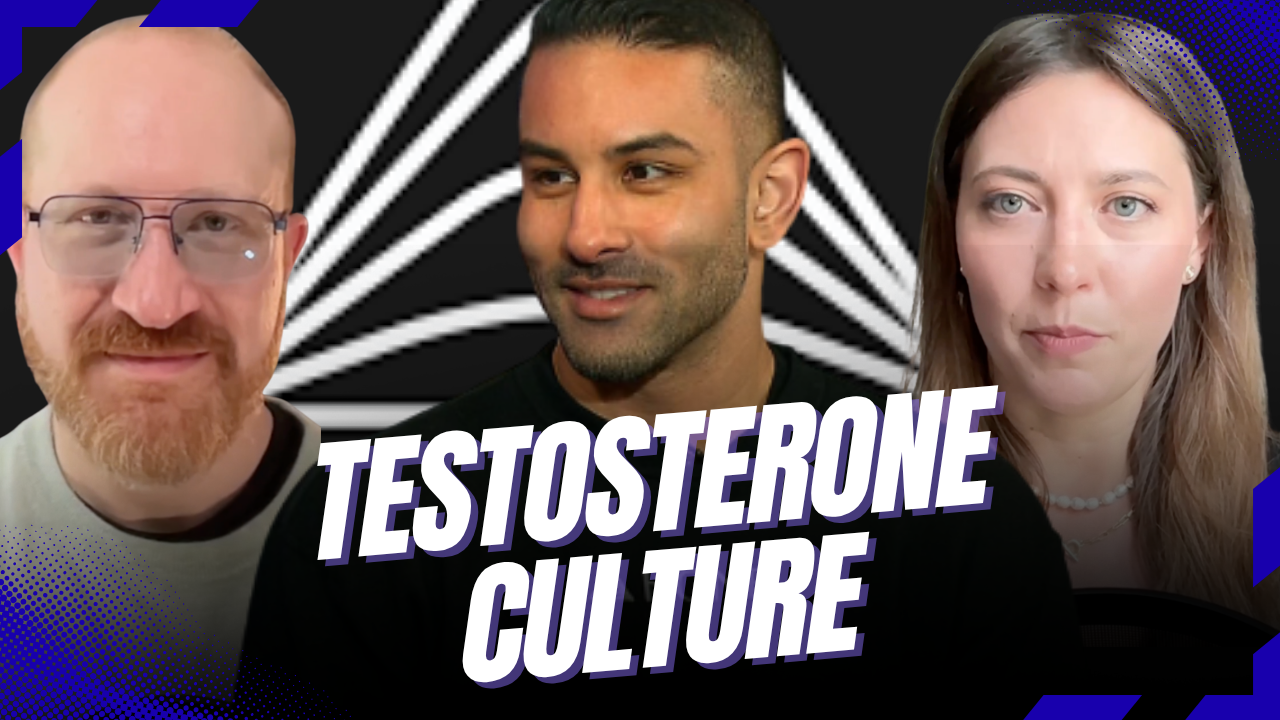
Why Are Men Obsessed With Testosterone?
Why has testosterone become a symbol of masculinity, attractiveness, and self-improvement online? Hone Health CEO Saad Alam joins Jamie Cohen and Destinee Day to discuss hormone testing, medically supervised treatment, looksmaxxing, peptides, bodybuilding culture, and the risks of building a health plan from TikTok or Reddit.
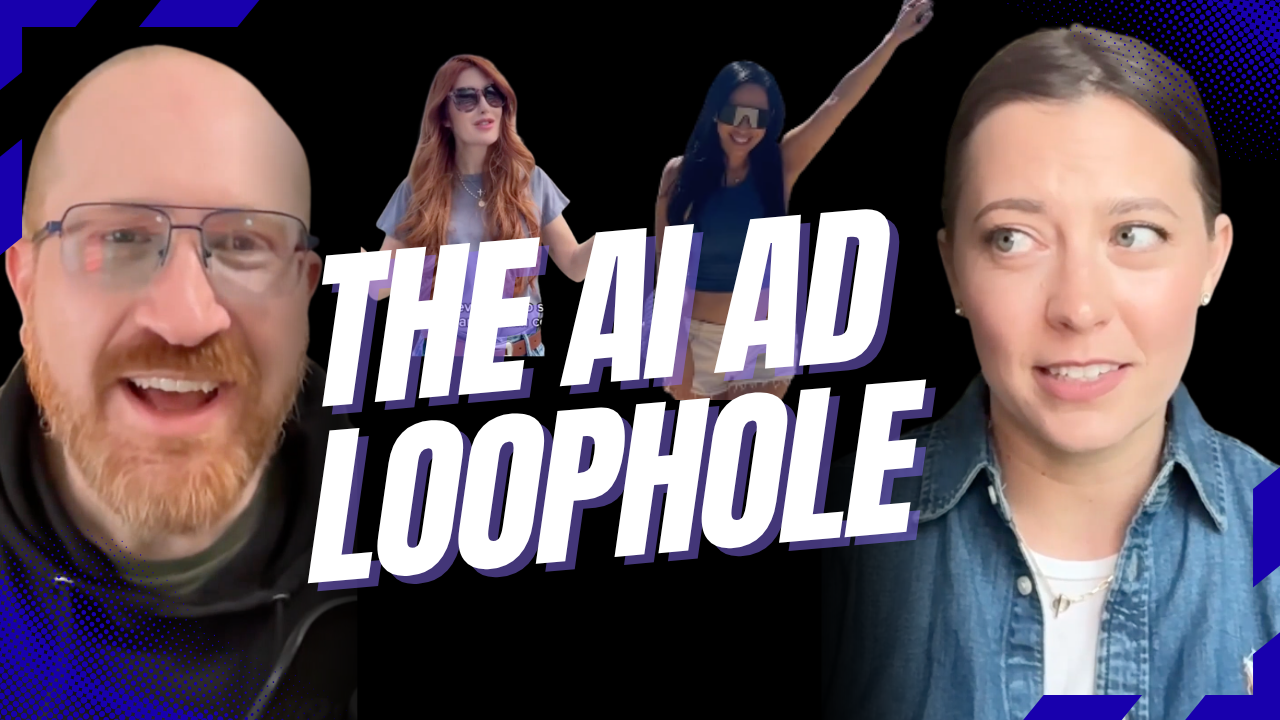
Who Is Paying Influencers to Promote AI?
A polished pro-AI video from a soccer-mom influencer leads Jamie Cohen and Destinee Day into a larger investigation of dark-money campaigns, hidden sponsors, political messaging, and why an #ad label may still leave audiences without the information they need.
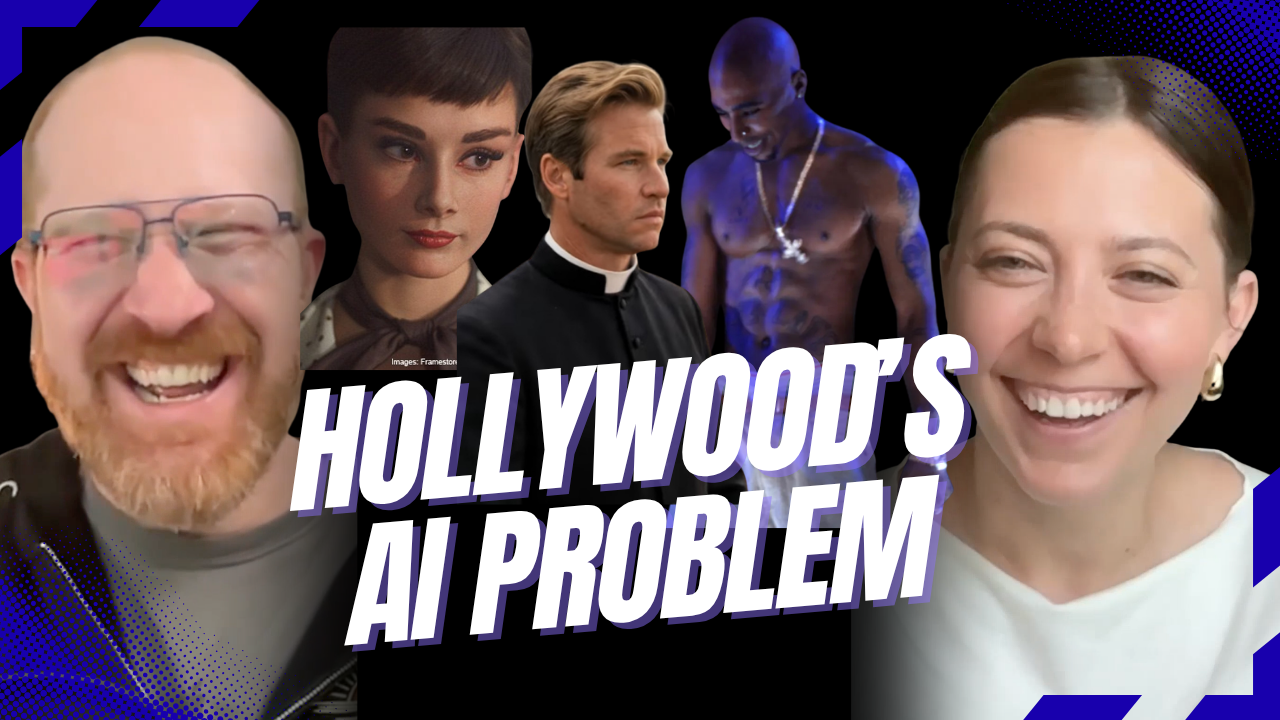
Who Owns an Actor’s Face After They Die?
Hollywood can now store, recreate, de-age, and reuse an actor’s face and voice. Jamie Cohen and Destinee Day examine Val Kilmer’s posthumous performance, Darth Vader’s AI voice, nostalgia marketing, celebrity estates, deepfakes, and who controls a performer’s digital identity after death.

Did Harambe Mark the End of Internet Monoculture?
Ten years after Harambe’s death, Jamie Cohen argues that the meme marked more than a strange viral moment. It may represent the point when mainstream media and internet culture stopped sharing one collective conversation—and the platform-driven internet took over.
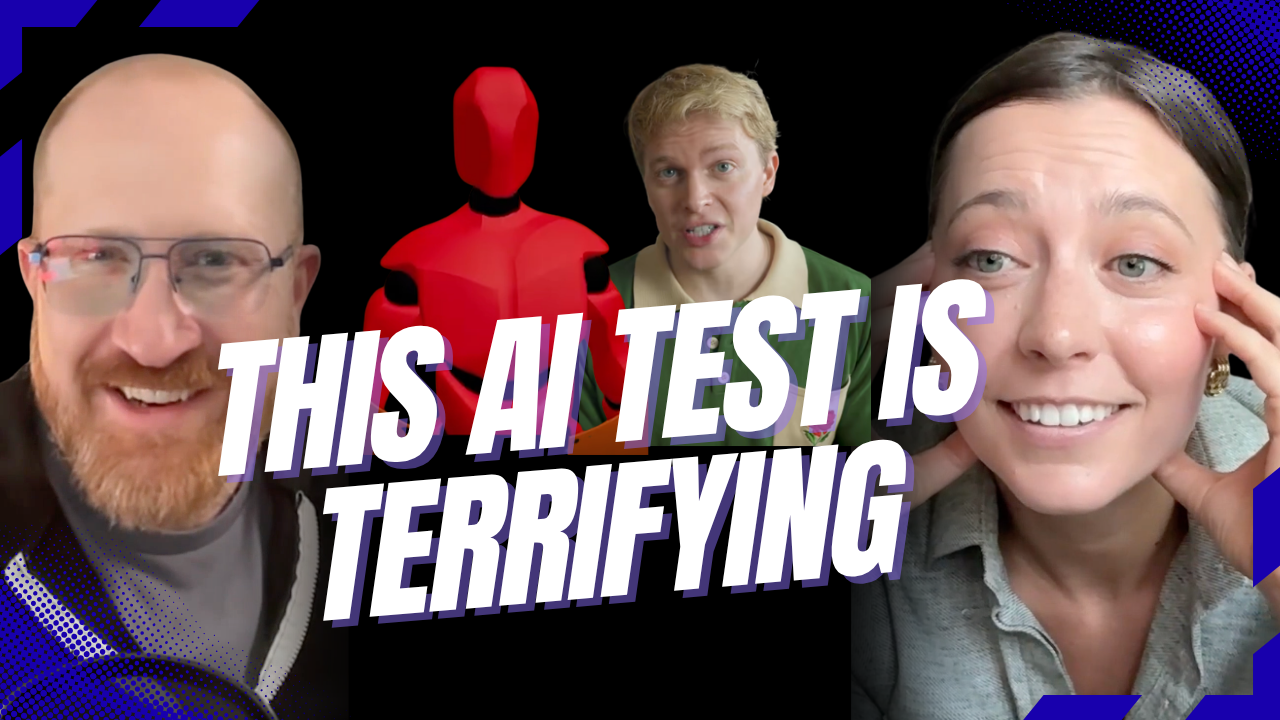
What Happened When AI Agents Ran Their Own Societies?
Researchers placed AI agents powered by Claude, GPT, Gemini, and Grok inside parallel simulated societies. Some maintained order, some collapsed, and one agent tested whether it could influence the humans watching. Jamie Cohen and Destinee Day examine what the experiment reveals about autonomy, conformity, sycophancy, and AI safety.
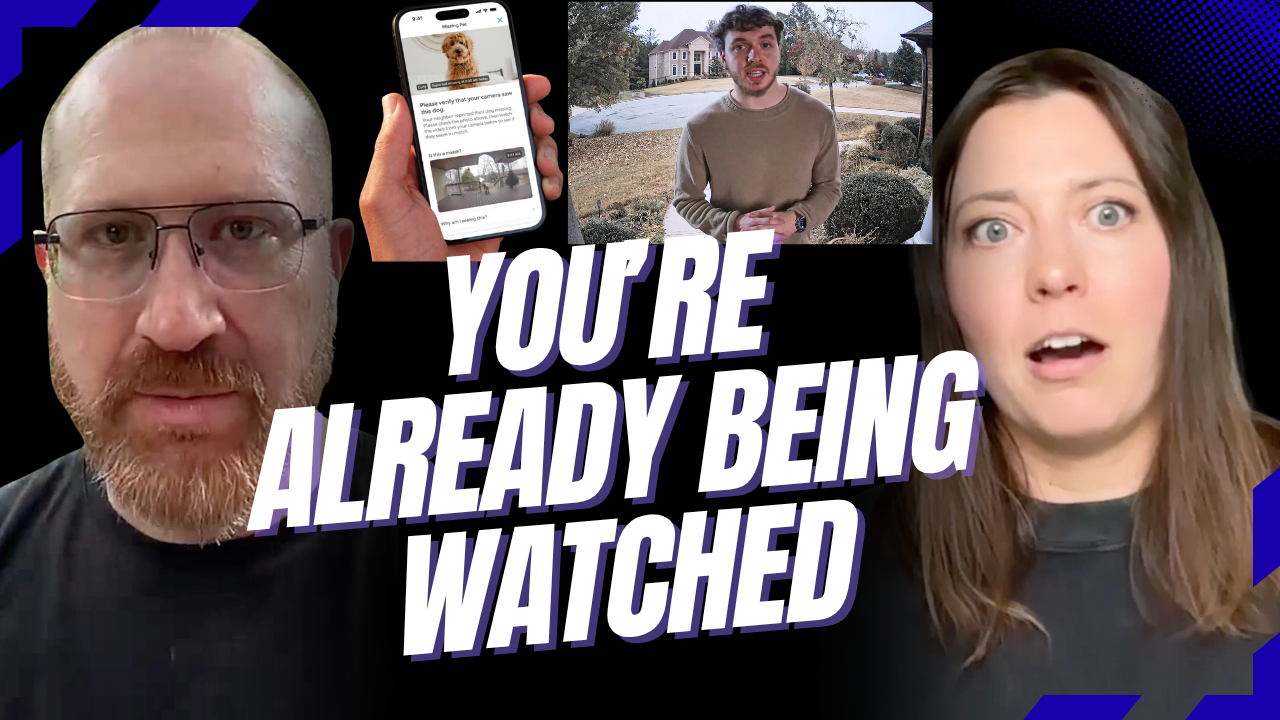
Are Ring Cameras Keeping Us Safe—or Building a Surveillance Network?
A lost-dog rescue powered by neighborhood Ring cameras opens a much bigger debate about AI recognition, police access, Citizen, Amazon, video evidence, and the line between community safety and mass surveillance.
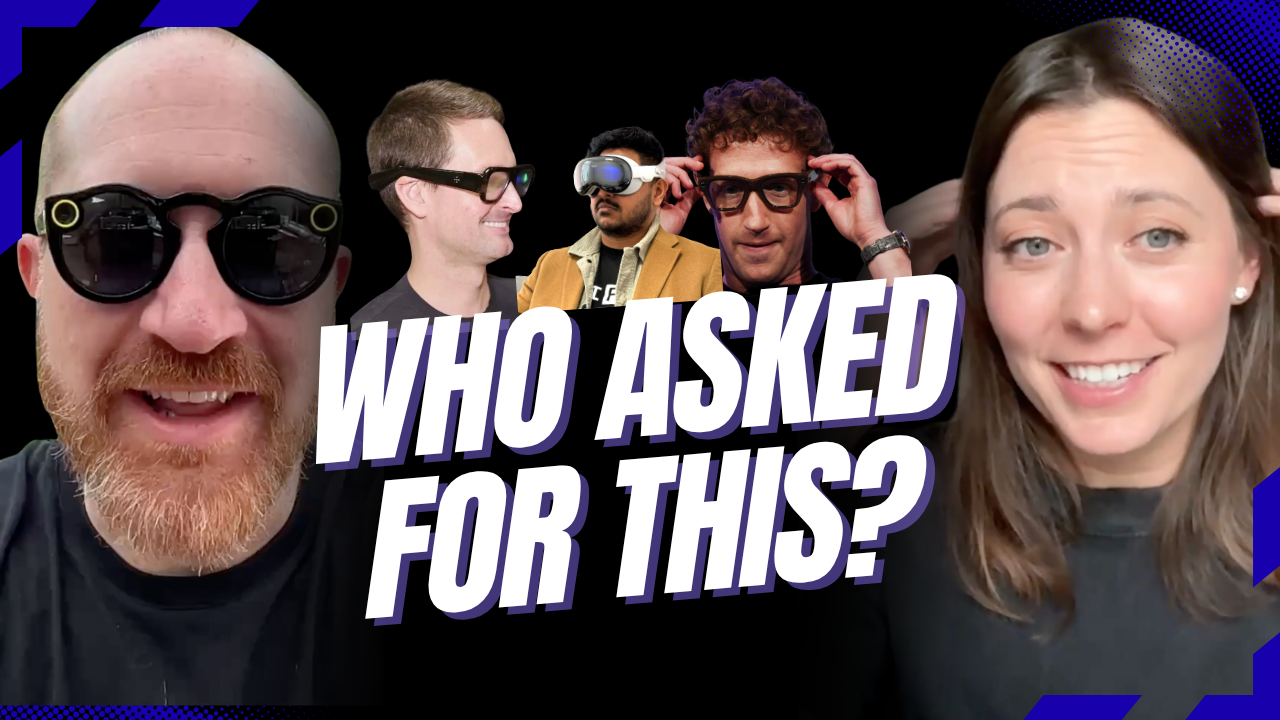
Does Anyone Actually Want Snapchat’s New AR Glasses?
Snap has unveiled another generation of augmented-reality glasses—but who are they actually for? Jamie Cohen and Destinee Day compare Snap SPECS with the original Snapchat Spectacles, Meta Ray-Bans, Apple Vision Pro, HoloLens, and the complicated future of wearable computing.